.jpg)

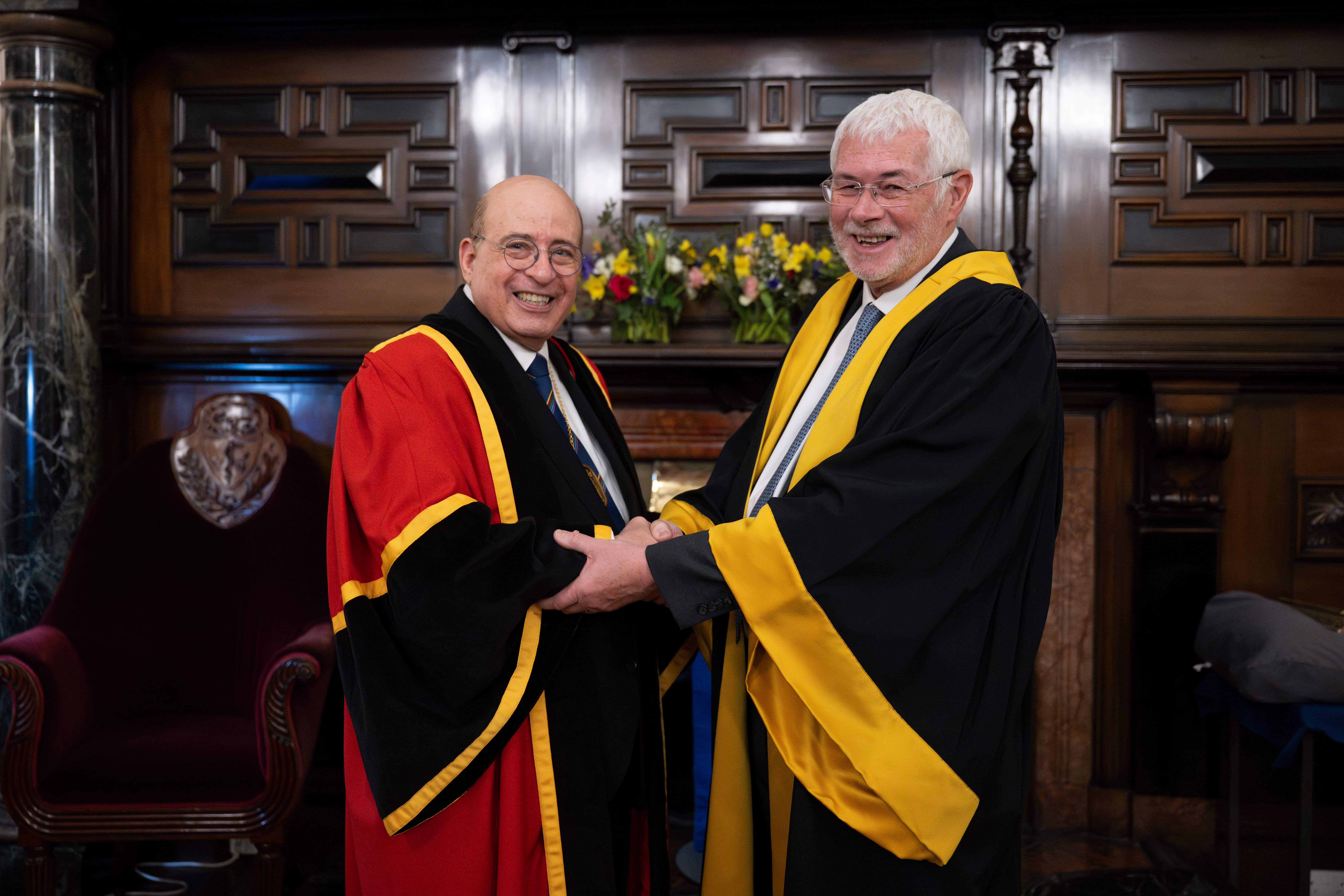
The Royal College of Physicians and Surgeons of Glasgow has honoured two leading figures for their exceptional contributions to healthcare. World-leading cardiac surgeon Professor David Richens, who performed Scotland’s first heart transplant at Glasgow Royal Infirmary in 1992, was made an Honorary Fellow.
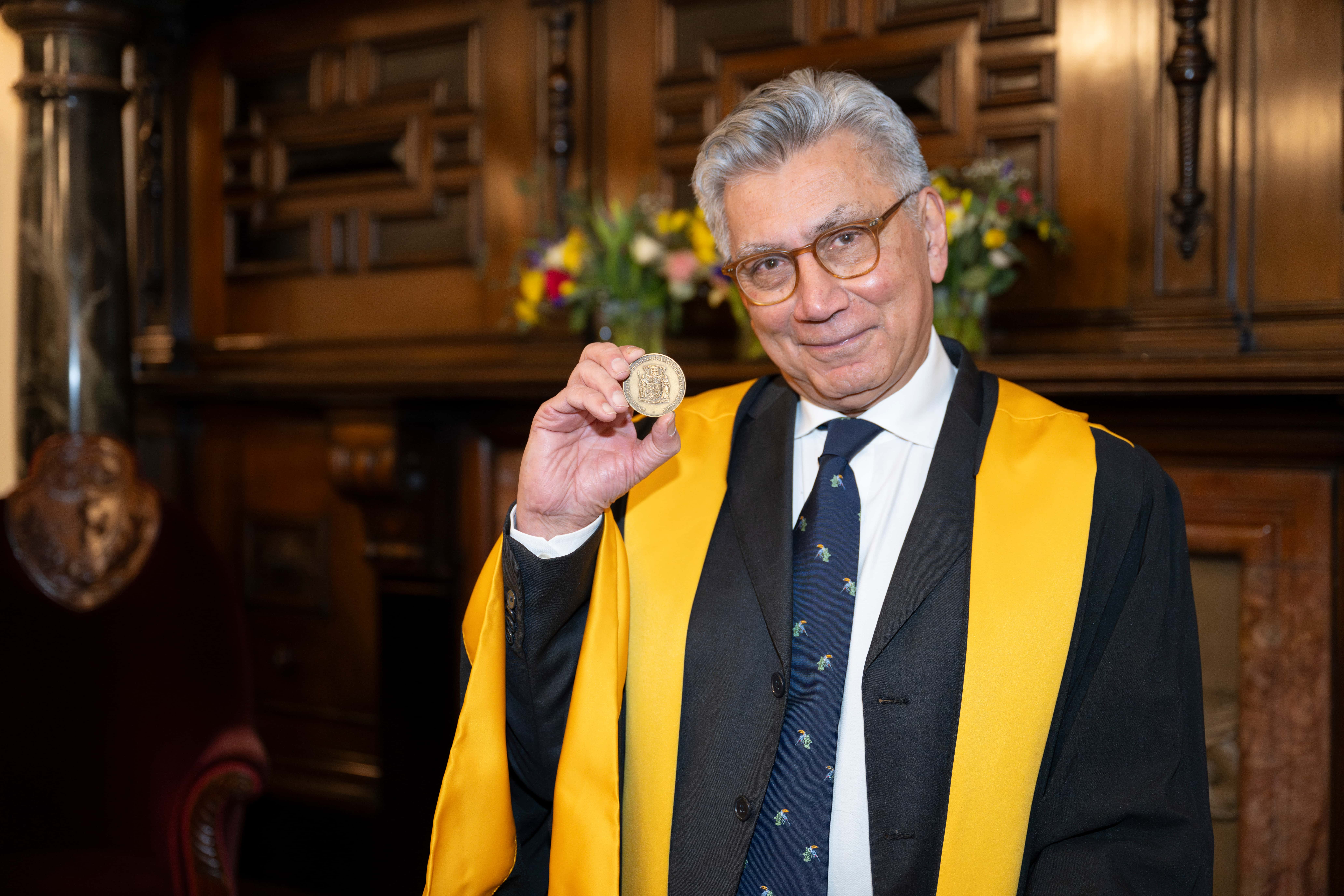
The President’s Medal 2026 was awarded to pioneering rheumatologist, Dr Rajan Madhok OBE, for his contribution to advancing the care of inflammatory and autoimmune rheumatic diseases.
Speaking at the College Diploma Ceremony on Wednesday (18 February 2026), College President Professor Hany Eteiba said: "We are pleased to present these awards to Professor Richens and Dr Madhok, two true pioneers in surgery and medicine.
"Their work represents the core of innovation and what we can achieve by challenging ourselves to overcome the unknown. They are inspiring examples of a lifelong commitment to the pursuit of learning and clinical excellence."
Professor Richens began his career after graduating from King’s College London in 1981. Following training in the UK, he moved to Sydney, Australia to work in the national Heart and Lung Transplant Unit at St Vincent’s Hospital.
"It has been my privilege to have been part of the Royal College of Physicians and Surgeons of Glasgow for the past 40 years. I feel greatly honoured to have been recognised by the College with this award."
After setting up a new cardiac surgery programme in Nottingham, he went on to become the Director of Surgery and established a mitral valve repair programme. He retired in 2017.
He is the former Getting it Right First Time National Clinical Lead for cardiothoracic surgery and his work aims to improve the outcomes for patients as it continues to be rolled out across the UK.
His work as clinical examiner to improve surgical assessment has taken him to Central and Eastern Africa, the UAE, Malaysia and Sri Lanka. In 2019, he was awarded with an Honorary Fellowship of the College of Surgeons in Sri Lanka.
Dr Madhok is a Consultant Physician at the Glasgow Royal Infirmary. Early in his career, he was among the first to research the risk of HIV infection from plasma replacement therapy in haemophilic patients in the West of Scotland.
He then extended this work to characterise the nature of immunodeficiency in non-HIV-infected haemophilia patients, contributing important insights into immune dysfunction at a critical period in medicine.
"Receiving the President's Medal from the Royal College of Physicians and Surgeons of Glasgow is much more than a personal award, it’s an acknowledgment of my mentors and the support of colleagues but more importantly the privilege of caring for patients."
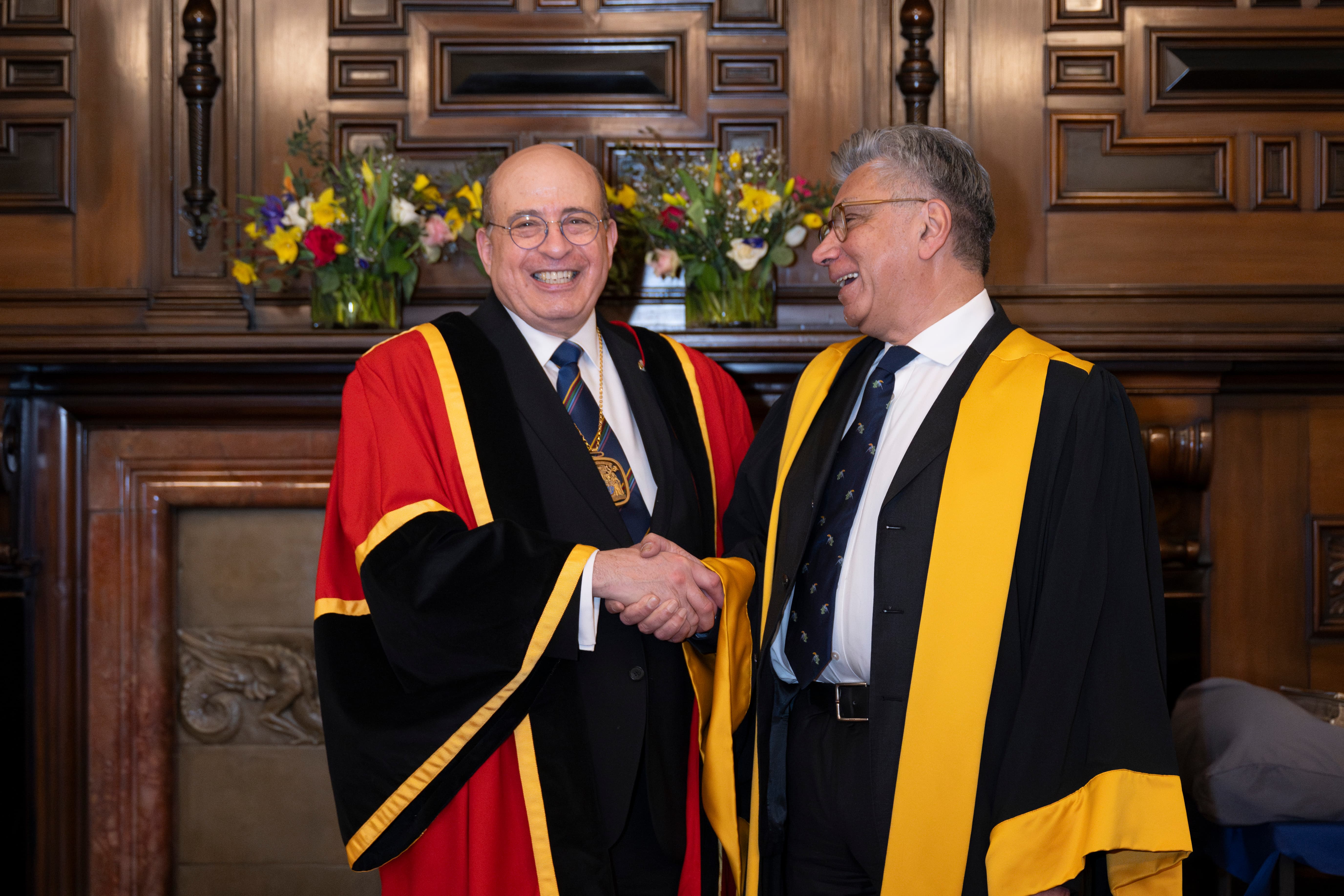
Alongside his work as clinician, he has also served as a College Council Member, and later Treasurer. He was also a Trustee of Glasgow Caledonian University.
In recognition of his services to medicine and public life, he was appointed an Officer of the Order of the British Empire in 2017 and received the Lord Provost’s Award for his contribution to medicine and communication. He currently serves as a Deputy Lieutenant for the City of Glasgow.