_crop_crop.jpg)
First published between 1827 and 1838, The Birds of America consists of 435 hand-coloured, life-sized paintings of birds from across North America, at least five of which are now extinct. The landmark ornithological study enhanced scientific understanding of birds, their behaviour and natural habitats, and its influence can still be felt today.
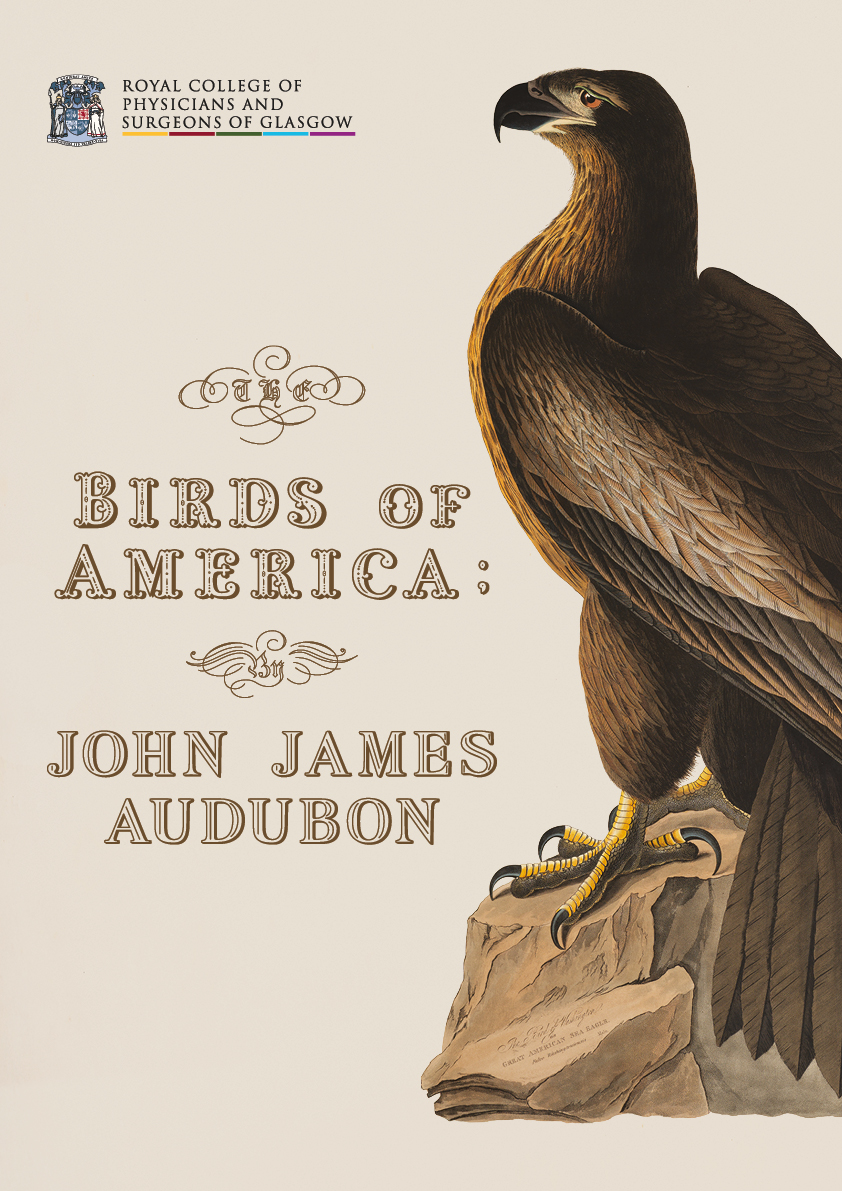
First editions of the first two volumes will go on display for the public during the Glasgow Blythswood Festival on Friday 1 May at the College’s library on St Vincent Street, where they have been part of the collection for nearly two centuries.
Claire McDade, Heritage Lead at the Royal College of Physicians and Surgeons of Glasgow, said: “I remember coming into the library on my first day and being astounded to discover we had this world treasure right here – quietly hiding under a protective blue blanket. I made it my mission to tell people what was special about what was fondly known as the bird book.
“It’s a real pleasure to be able to welcome members of the community to the College to let them see this important work of art for themselves.”
The exhibition forms part of the College’s Maximising Audubon project and will explore the story behind the book’s creation, conservation and legacy.
The project aims to widen understanding and access to the Audubon's collections, and is supported by Museum Galleries Scotland and the Baillie’s Institution.
Considered some of the greatest ornithological paintings ever made, Audubon’s colourful images are depicted on Double Elephant folio sized paper. This very large paper size allowed him to feature the biggest birds, such as the Great-horned Owl, as well as the very smallest, such as the Fox-coloured Sparrow, at life size in their natural habitat – the first time such a feat had been attempted at such an ambitious scale.
The College’s two first-edition volumes of the series, covering the first 200 plates, were purchased in 1838 for £48 which is the equivalent to just over £4,600 today. In 1838 this would have bought four horses or paid for the wages of a skilled labourer for a year.
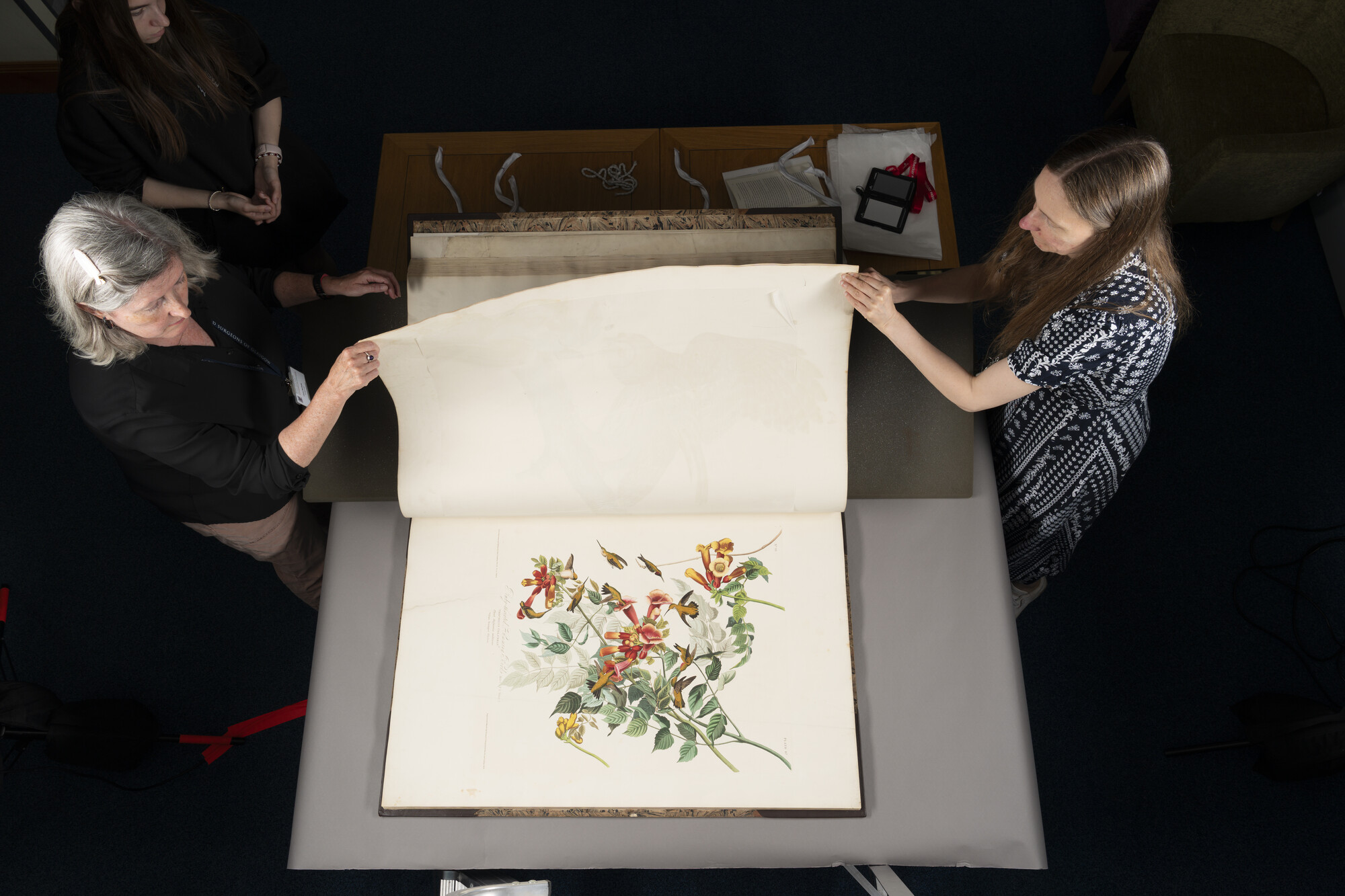
Owing to its size, only one of the plates can be displayed at a time, and turning the pages requires two to three people to prevent damage to the book.
The exhibition will feature detailed photography of the book which will allow visitors, for the first time, to see multiple pages at once.
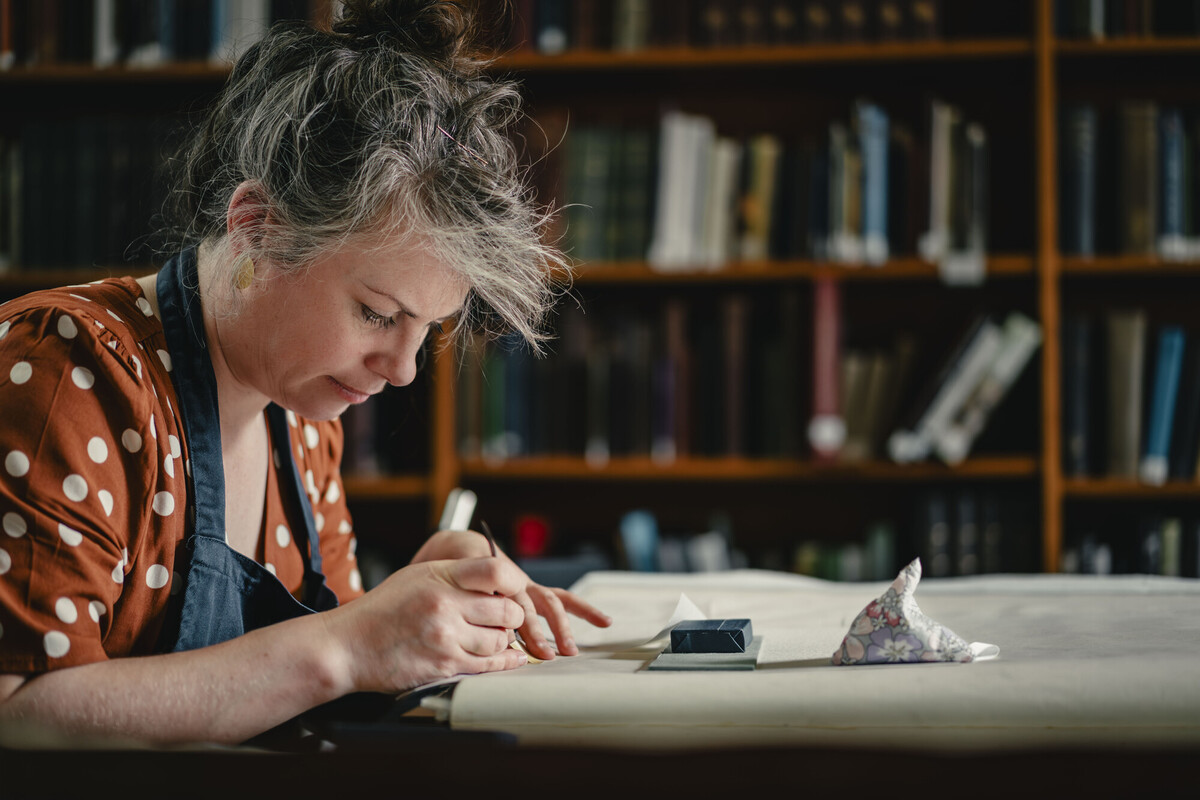
The project involved careful conservation work by Glasgow-based paper conserver Rebecca Goldie, who said: “It's a real privilege to be working on a book that contains so many beautiful artworks.
“So many of the books I work on are mostly text or handwritten manuscript, so to turn the page and find these beautiful prints with vibrant colours is wonderful."
The exhibition considers why a medical royal college would purchase these books on birds. Claire McDade added: “In many ways Audubon’s work is a perfect representation of the long-standing bridge between science and the arts.
“Glasgow played a significant role in the Scottish Enlightenment of the 18th and early 19th centuries, a period when medicine, science and the study of the natural world were closely connected. It was not unusual for books on birds, adorned with intricate drawings of specimens, to appear in medical and scientific libraries during this time.
“Since our library began in 1698, we have collected books exploring a variety of disciplines. Many of these are still part of our collection, including a first edition of Charles Darwin’s Origin of Species, which we are highlighting as part of a parallel exhibition. We can’t wait to welcome people into the College library to learn more about these remarkable books.”
.jpg)
While Audubon was considered a fashionable figure in 19th century Scotland, his legacy is not without controversy – an area also explored by the exhibition.
Claire said: “Audubon is widely criticised today for owning enslaved peoples and named several species after supporters of slavery and exponents of the discredited theory of scientific racism.
“The College acknowledges the harm caused by racism and Audubon’s place within that history and aims to present this work with openness and transparency while recognising its scientific and artistic significance.”
Following the launch on Friday 1 May, the exhibition will be available to view every Monday from 2-5pm (except for Bank Holidays) in the library of the Royal College of Physicians and Surgeons of Glasgow in 232-242 St Vincent Street.
Entry to the exhibition is free and visitors are advised to contact library@rcpsg.ac.uk in advance.
Photo credit: Jamie Simpson/Royal College of Physicians and Surgeons of Glasgow