
On this page
MSc Advanced Practice (Travel Medicine)
MSc Advanced Practice (Expedition and Wilderness Medicine)
About Glasgow Caledonian University
Overview
Eligibility
Applicants who have completed the RCPSG Postgraduate Diploma in Travel Medicine or International Expedition and Wilderness Medicine.
Programme structure
A 60-credit dissertation module at Glasgow Caledonian University, completed over two trimesters.
Pathways
Choose from MSc Advanced Practice (Travel Medicine) or MSc Advanced Practice (Expedition and Wilderness Medicine).
MSc Advanced Practice (Travel Medicine)
The MSc Advanced Practice (Travel Medicine) is designed for healthcare professionals, including medical doctors, nurses, paramedics and pharmacists, who have successfully completed the RCPSG Postgraduate Diploma in Travel Medicine. This pathway builds on the knowledge and skills developed during the Diploma and supports practitioners to further advance their expertise in the specialist field of Travel Medicine.
The programme consists of a 60‑credit dissertation module at Glasgow Caledonian University (GCU), completed over two trimesters (six months). Combined with the RCPSG Diploma, this new route to a master’s qualification integrates practical learning with research capability and academic depth.
Students will also receive individual support from a specialist advisor in their chosen field, helping guide and shape their research throughout the module. This structure enables learners to demonstrate enhanced knowledge and understanding, ultimately contributing to safer, evidence‑based travel health practice.
You will:
- Explore current and emerging research in Travel Medicine
- Develop advanced knowledge and skills in clinical research relevant to the field
- Complete a research project that supports your professional development and advances your specialist practice
Where can the MSc Advanced Practice (Travel Medicine) take me?
An MSc in Advanced Practice (Travel Medicine) can lead to senior clinical roles in travel health services, public health and global health positions, specialist advisory work, and opportunities in education, leadership, and research. Graduates often progress into advanced practitioner posts, contribute to infectious disease and health protection teams, support global or humanitarian health programmes, teach within universities or professional bodies, and advise organisations on travel risk, policy, and remote or expedition medicine. It's a versatile qualification that opens pathways across clinical practice, public health, academia, and international health settings.

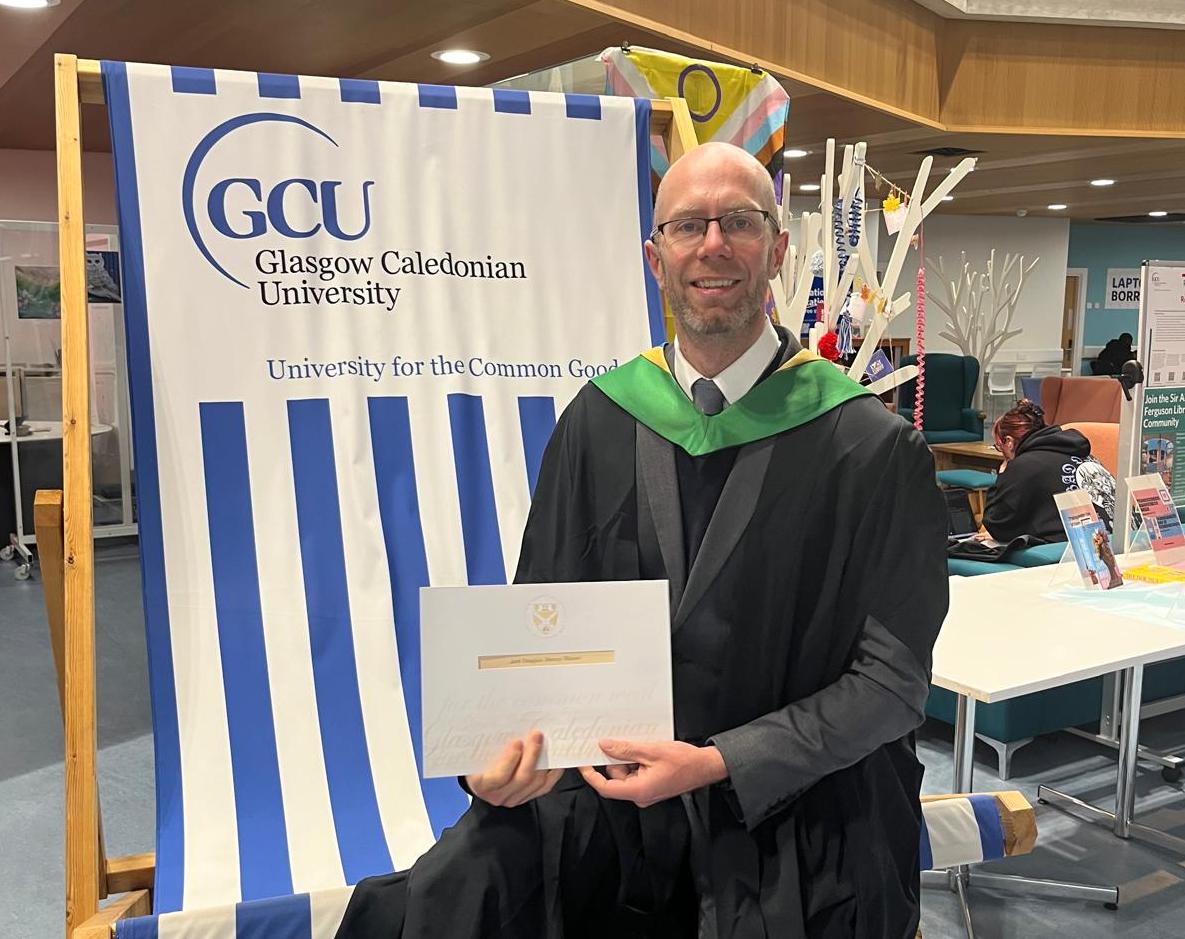
The qualification has played a major role in my progression to senior leadership, academic, international advisory, and consultant-level clinical roles, including London and Hong Kong Advisor for Travel Medicine; Postgraduate Diploma Module Lead and Examiner with the Royal College of Physicians and Surgeons of Glasgow (RCPSG); President, Chair of the Assessment Board, and Education Director of the Hong Kong Society for Immunisations and Travel Medicine (HKSITM); and CEO and Clinical Director of Voyager Medical, as well as Head of Travel Medicine and Immunisations for Acre and Acrefield Surgeries in North West London.
Alex Leung, MSc Advanced Practice (Travel Medicine) graduate and former Diploma student
MSc Advanced Practice (Expedition and Wilderness Medicine)
The MSc Advanced Practice (Expedition and Wilderness Medicine) is designed for healthcare professionals, including medical doctors, nurses, paramedics and pharmacists, who have successfully completed the RCPSG Postgraduate Diploma in International Expedition and Wilderness Medicine. This pathway builds on the knowledge and skills developed during the Diploma and supports practitioners to further advance their expertise in the specialist field of Expedition and Wilderness Medicine.
The programme consists of a 60‑credit dissertation module at Glasgow Caledonian University (GCU), completed over two trimesters (six months). Combined with the RCPSG Diploma, this new route to a master’s qualification integrates practical learning with research capability and academic depth.
Students will also receive individual support from a specialist advisor in their chosen field, helping guide and shape their research throughout the module. This structure enables learners to demonstrate enhanced knowledge and understanding, ultimately contributing to safer, evidence‑based travel health practice.
You will:
- Explore current and emerging research in Expedition and Wilderness Medicine
- Develop advanced knowledge and skills in clinical research relevant to the field
- Complete a research project that supports your professional development and advances your specialist practice
Where can the MSc Advanced Practice (Expedition and Wilderness Medicine) take me?
An MSc in Advanced Practice (Expedition and Wilderness Medicine) can lead to specialist roles in remote, austere, and extreme‑environment healthcare. Graduates often work as expedition medics, remote clinicians, or medical leads for organisations involved in adventure travel, mountaineering, polar science, military support, offshore operations, or humanitarian deployments. Many progress into leadership roles designing medical plans for high‑risk environments, advising on safety and risk management, or supporting global research and field projects. The qualification also supports careers in teaching, training, and academic work in wilderness and remote medicine, as well as consultancy roles for media, NGOs, or global expeditions.
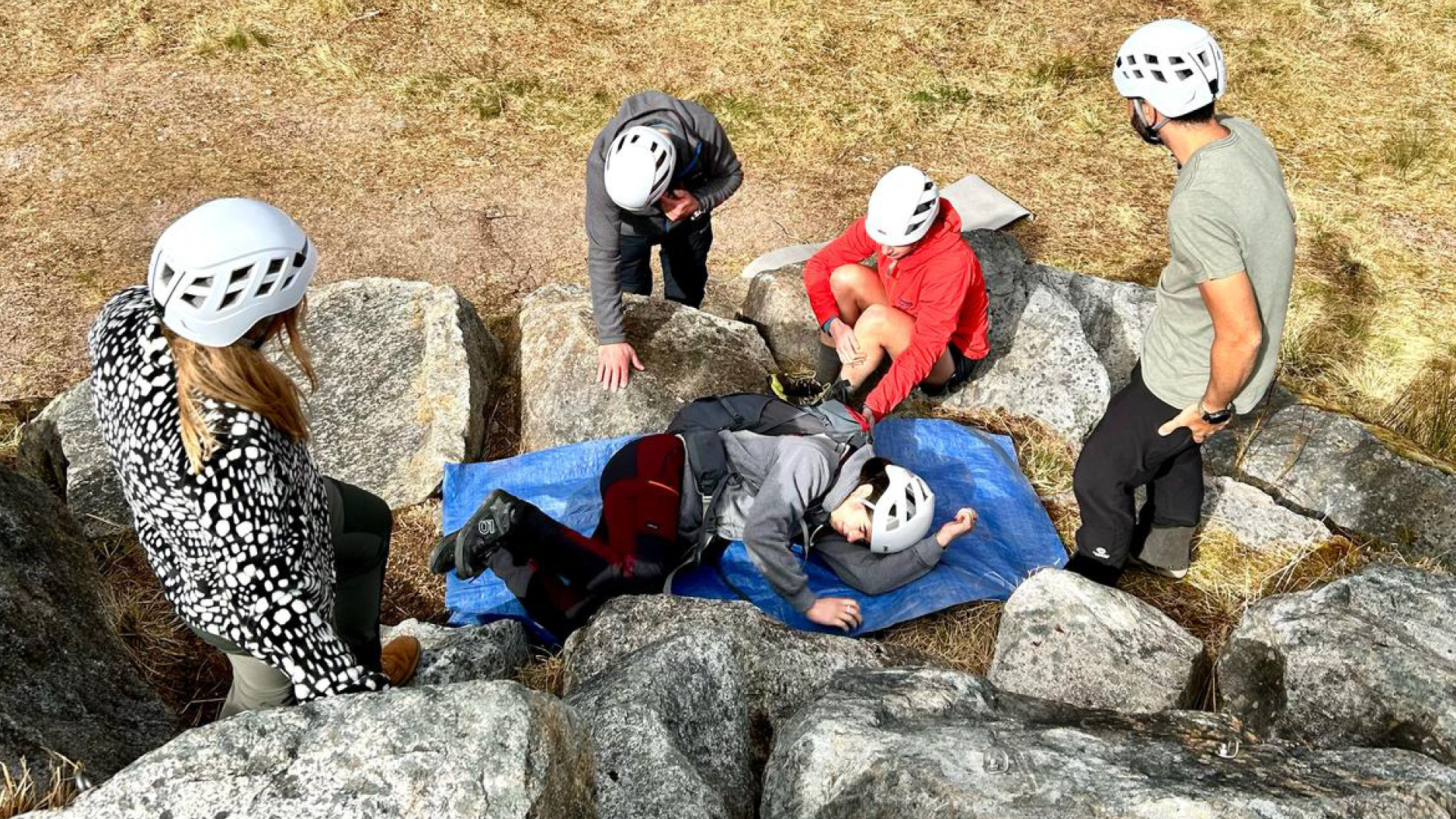
Having started my International Diploma in Expedition and Wilderness Medicine (IDEWM) at RCPSG in 2018, it was a delight to be back in the city, gowned as a graduand having completed a Master's Degree in this specialist and fascinating field. I had only just returned from working in Antarctica as my expedition doctor job had taken me around the world looking after people running 7 marathons on 7 continents in 7 days.
Jack Watson, MSc Advanced Practice (Expedition and Wilderness Medicine) graduate and former Diploma student
About Glasgow Caledonian University
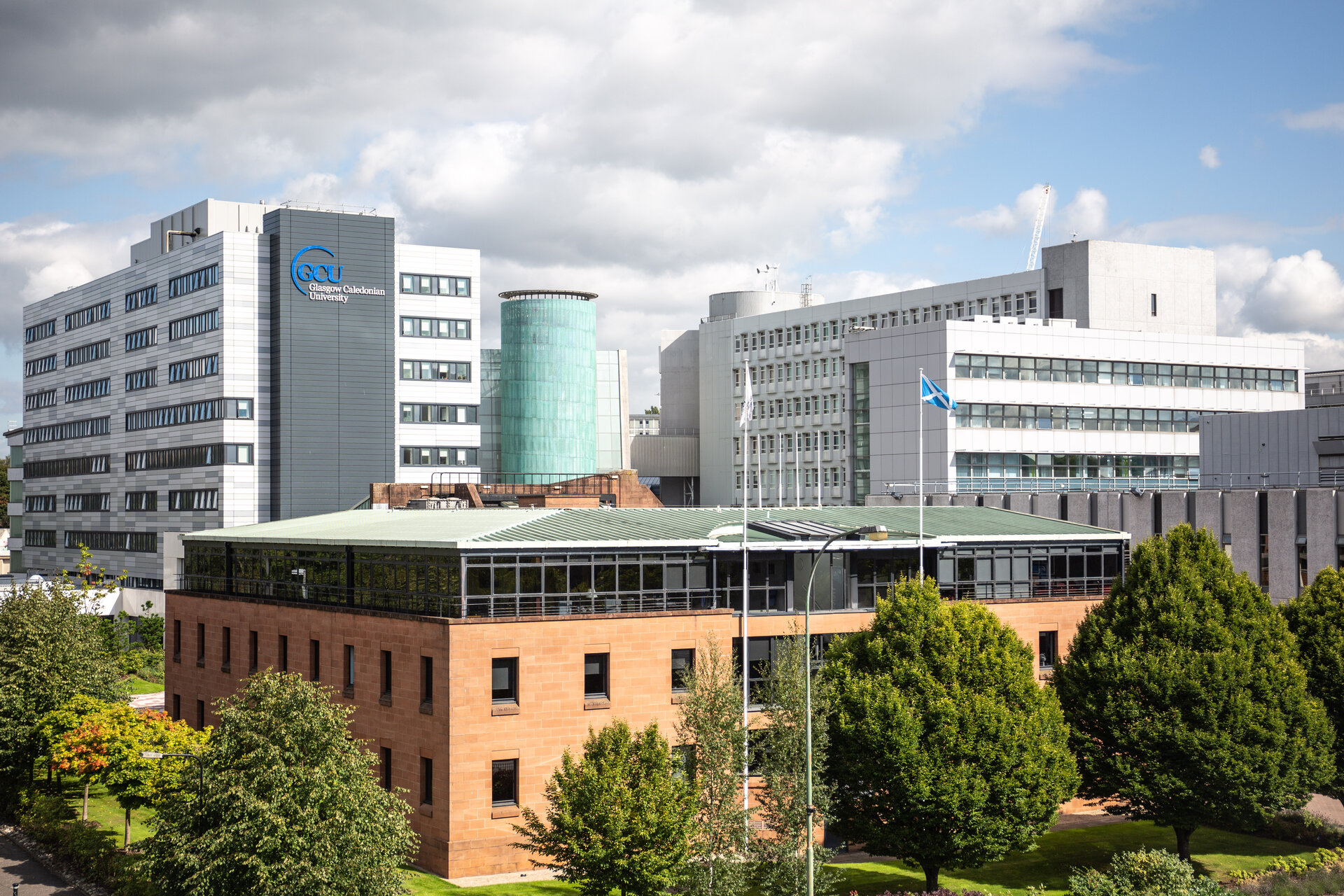
Glasgow Caledonian University is a vibrant environment for learning, teaching and applied research. More than 22,000 students from the UK and abroad study here, each gaining a high-quality education and valuable employability skills.
It is the largest and leading modern university in Scotland and is a vibrant, values-led university with campuses in the heart of Glasgow and London. They are committed to high-quality education and research supporting the communities it serves and has strong partnerships with employers to ensure their students get the careers they dream of.
Meet the MSc Advanced Practice team

Michelle Rutherford MSc PhD SFHEA
MSc Advanced Practice Co-programme Lead

Catherine Wright MSc PhD SFHEA
MSc Advanced Practice Co-programme Lead
Key information
The deadline to apply for the 2026 intake is 6 August. The intake is on a yearly basis commencing in September.
Tuition fees are paid directly to Glasgow Caledonian University and are subject to change. The fees below are published for guidance only. The annual part-time tuition fees are as follows:
Home (Scottish) and RUK: £2,500
International: £5,000
Glasgow Caledonian University also offer a variety of scholarships you may be eligible for.
Applications must be made to Glasgow Caledonian University directly.
Apply to MSc Advanced Practice (Travel Medicine)
Apply to MSc Advanced Practice (Expedition and Wilderness Medicine)
Frequently asked questions
Students who have completed the Royal College of Physicians and Surgeons of Glasgow (RCPSG) Postgraduate Diploma in Travel Medicine or International Expedition and Wilderness Medicine are eligible to apply to this pathway within the MSc Advanced Practice course.
The qualification includes a 60-credit dissertation module, completed over two trimesters in a six-month period. Study will commence at the start of Trimester A (end September) and will run until end of Trimester B (early May).
The qualification includes a 60-credit dissertation module, completed over two trimesters in a six-month period. Study will commence at the start of Trimester A (end September) and will run until end of Trimester B (early May).
Yes, this qualification can be undertaken remotely or in person in Glasgow.
This is a 60-credit dissertation module completed over two trimesters. You will:
- Explore the latest research in the field of Travel Medicine or Expedition and Wilderness Medicine.
- Increase knowledge and skills in clinical research relating to Travel Medicine or Expedition and Wilderness Medicine.
- Undertake a piece of research in an area that is relevant to advancing your own knowledge and skills in this specialist area of practice.
All dissertation students will be assigned a Dissertation supervisor to guide them through their research journey.
Students are entitled to:
Group sessions with their supervisor. Sessions can be online or face to face.
Individual sessions with their supervisor.
Guidance from a subject area advisor, for subject specific queries.
Students will receive written feedback from their supervisor on all sections of the Dissertation, with the exception of the Discussion section.
The number of support hours with a supervisor will be determined at the start of the course.
As a GCU student you will also have access to:
The Learning Development Centre
The Centre provides face-to-face and online academic support through a combination of workshops, small group sessions, one-to-one appointments and tailored teaching within modules.
Take advantage of the resources offered at the Sir Alex Ferguson library, providing access to more than 600,000 books, 350 open-access PCs and a huge range of online resources including databases, ebooks, journals and more.
If you have any specific questions, the dedicated MSc team at Glasgow Caledonian University can answer these. You can contact them at mscape@gcu.ac.uk.
Have more questions?
If you have any questions about the MSc pathway, please contact the MSc team at Glasgow Caledonian University.
Contact GCU