.png)
Since 1599, we’ve embraced the central tenet we were founded on – to improve the standards of medicine across Scotland, the UK and the rest of the world.
Although how we do things might have changed over the years, we still firmly believe in standing up for medical professionals and working together to enhance patient care.
As the UK’s only multidisciplinary Royal College we bring together physicians, surgeons, dental surgeons and those who work in travel medicine and podiatric medicine.
The unique nature of our structure ensures those working in healthcare are best placed to do everything they can for the people they serve – a central belief of our founders.
Over 425 years of innovation
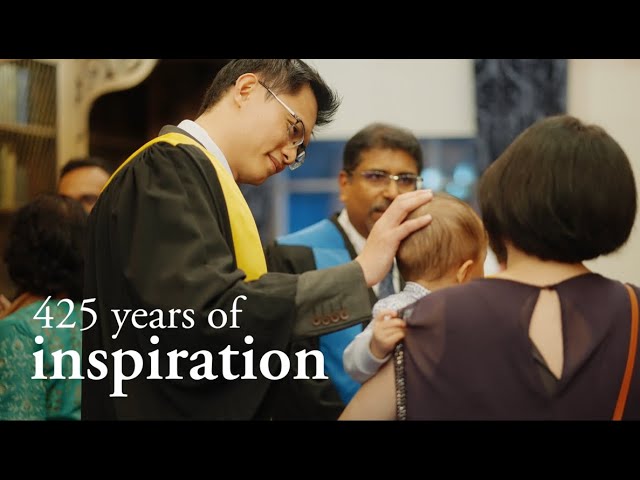
Founded by a Royal Charter from King James VI of Scotland on 29 November 1599, we recently celebrated the 425th anniversary of the College. Watch our video to discover more.
The history of the College
Since the 16th century we’ve been driven to change the face of medicine. Through assessment and regulation, innovation and collaboration, we’ve pushed for the highest standards in healthcare. In the below timeline, we highlight some key moments.
1599
.jpg)
The foundation
The Faculty of Physicians and Surgeons of Glasgow founded by Scottish Surgeon Peter Lowe.
1697
.jpg)
First Faculty Hall
Acquisition of First Faculty Hall beside the Tron Church, Glasgow.
1698
.jpg)
Library founded
The Library was founded in 1698.
1761
.jpg)
Joseph Black
Former President Joseph Black discovers latent heat. The discovery marked the foundation of thermodynamics.
1791
.jpg)
Second Faculty Hall
Acquisition of Second Faculty Hall in St Enoch's Square, Glasgow.
1841
.jpg.png)
David Livingstone
Honorary Fellow, David Livingstone, departs on his first expedition to Africa.
1862
.jpg)
242 St Vincent Street
The Faculty moves to 242 St Vincent Street. It has since added the adjacent properties and today occupies 232–242 St Vincent Street.
1865
.jpg)
Joseph Lister
Fellow, Joseph Lister, discovers the use of carbolic acid as an antiseptic in surgery.
1879
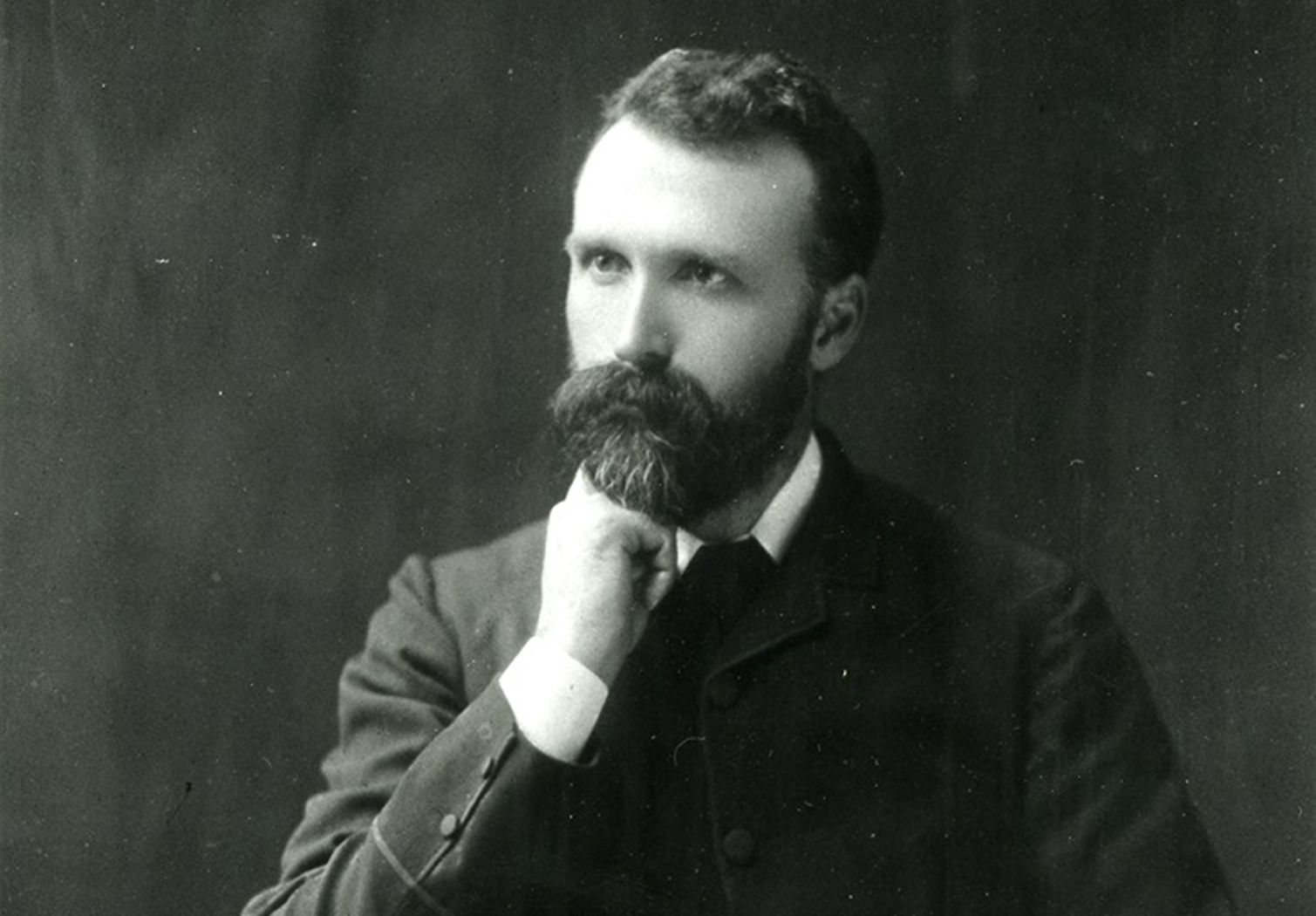
First operation on a brain tumour
Fellow, Sir William Macewen, carries out the first operation on a brain tumour.
1896
.jpg)
First radiology department
Fellow, John McIntyre, opens the world's first radiology department at Glasgow Royal Infirmary.
1909
 (1).jpg)
The Royal Faculty
The Faculty is renamed the Royal Faculty of Physicians and Surgeons of Glasgow.
1912
.jpg.png)
First female Fellow
Jamini Sen becomes the first female Fellow of the College.
1958
.jpg)
Ultrasound machine invented
Physician Fellow Ian Donald and engineer Tom Brown build the world's first successful ultrasound diagnostic machine.
1962
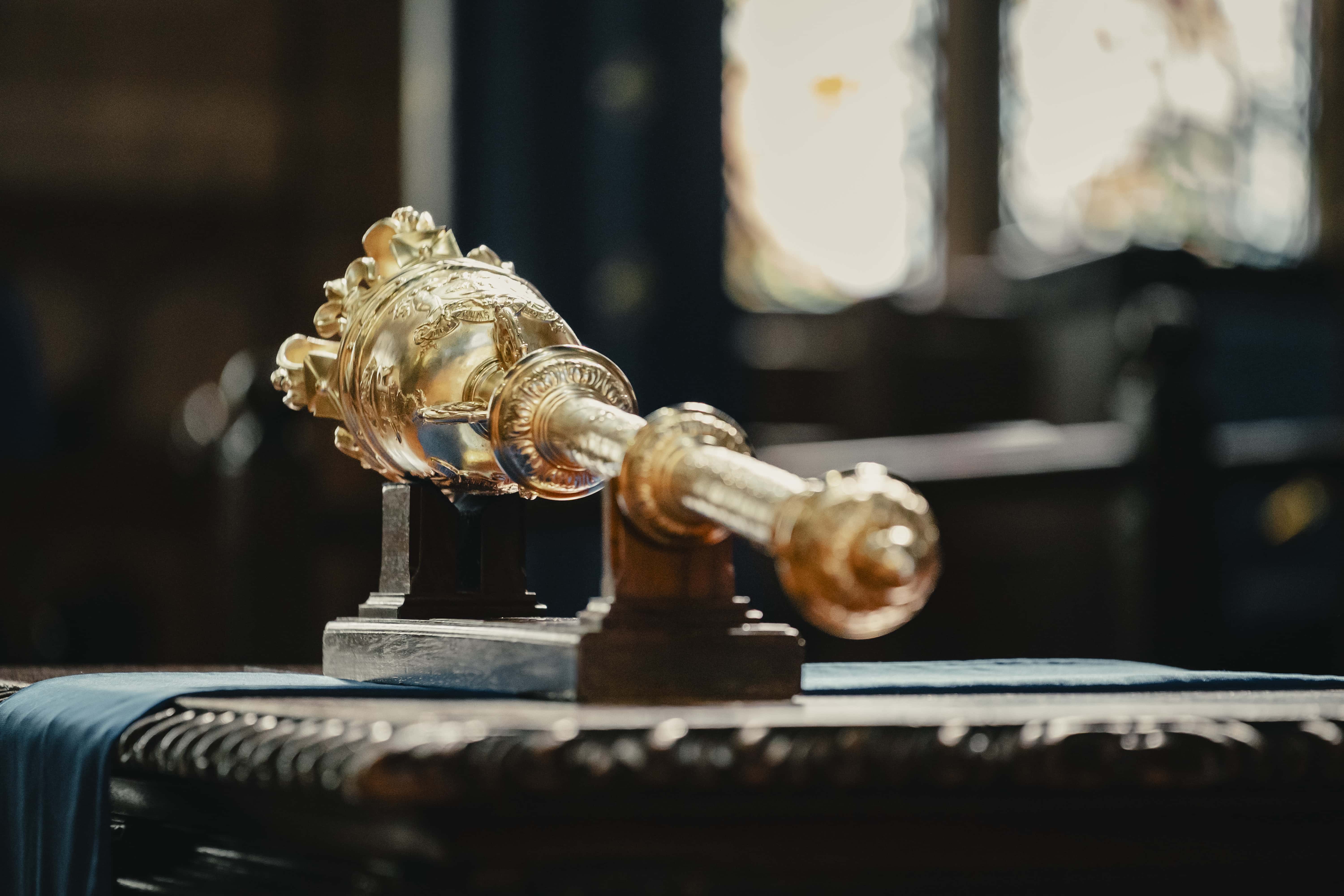
The Royal College
The Royal Faculty is renamed the Royal College of Physicians and Surgeons of Glasgow.
1974
.jpg)
The Glasgow Coma Scale
Former President Sir Graham Teasdale and Fellow Bryan Jennett CBE invent the Glasgow Coma Scale (GCS), which is used today all over the world.
1990
.jpg)
The Dental Faculty
We established our Faculty of Dental Surgery.
2006
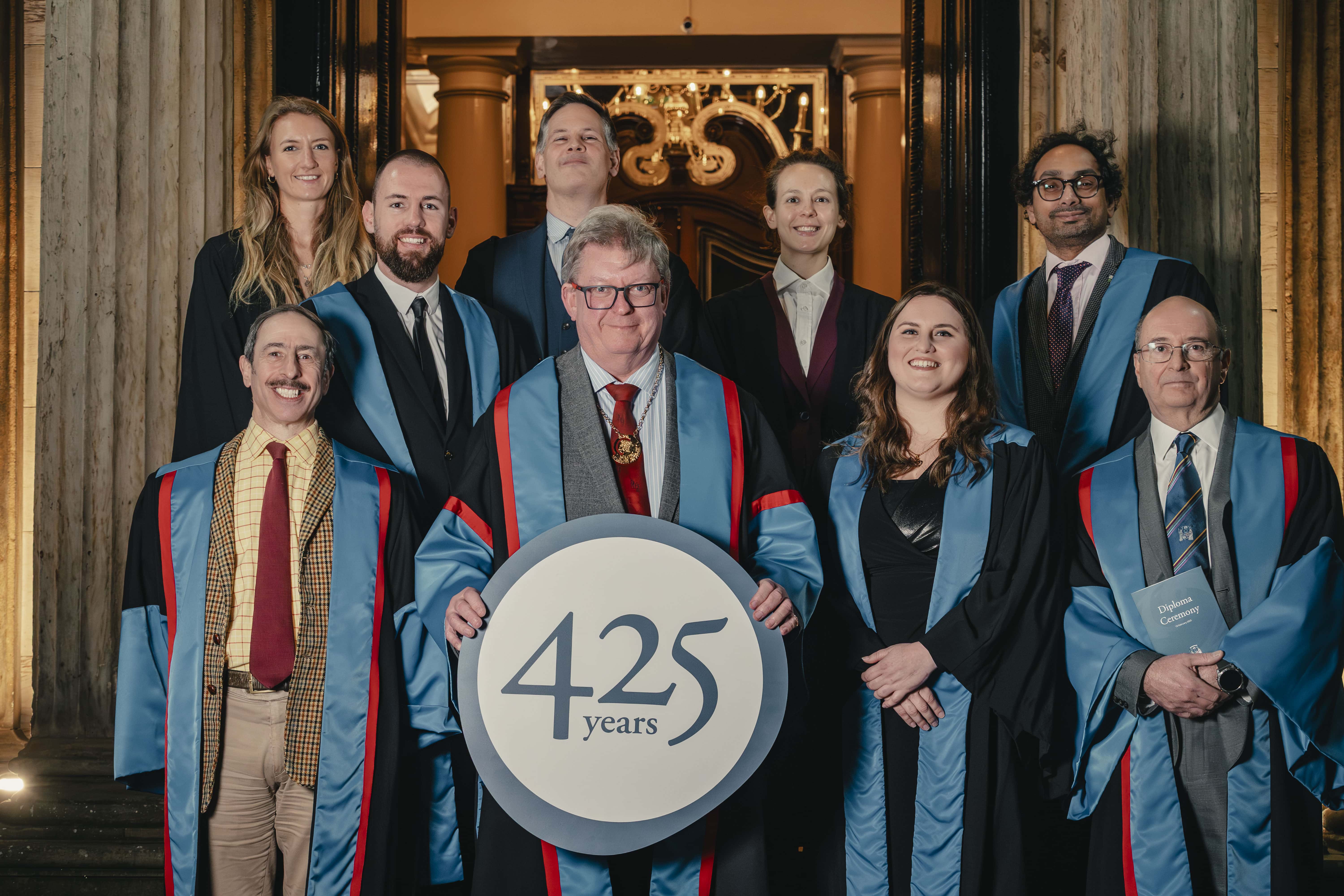
The Faculty of Travel Medicine
We established our Faculty of Travel Medicine.
2012
.jpg)
The Faculty of Podiatric Medicine
We established our Faculty of Podiatric Medicine.
2018
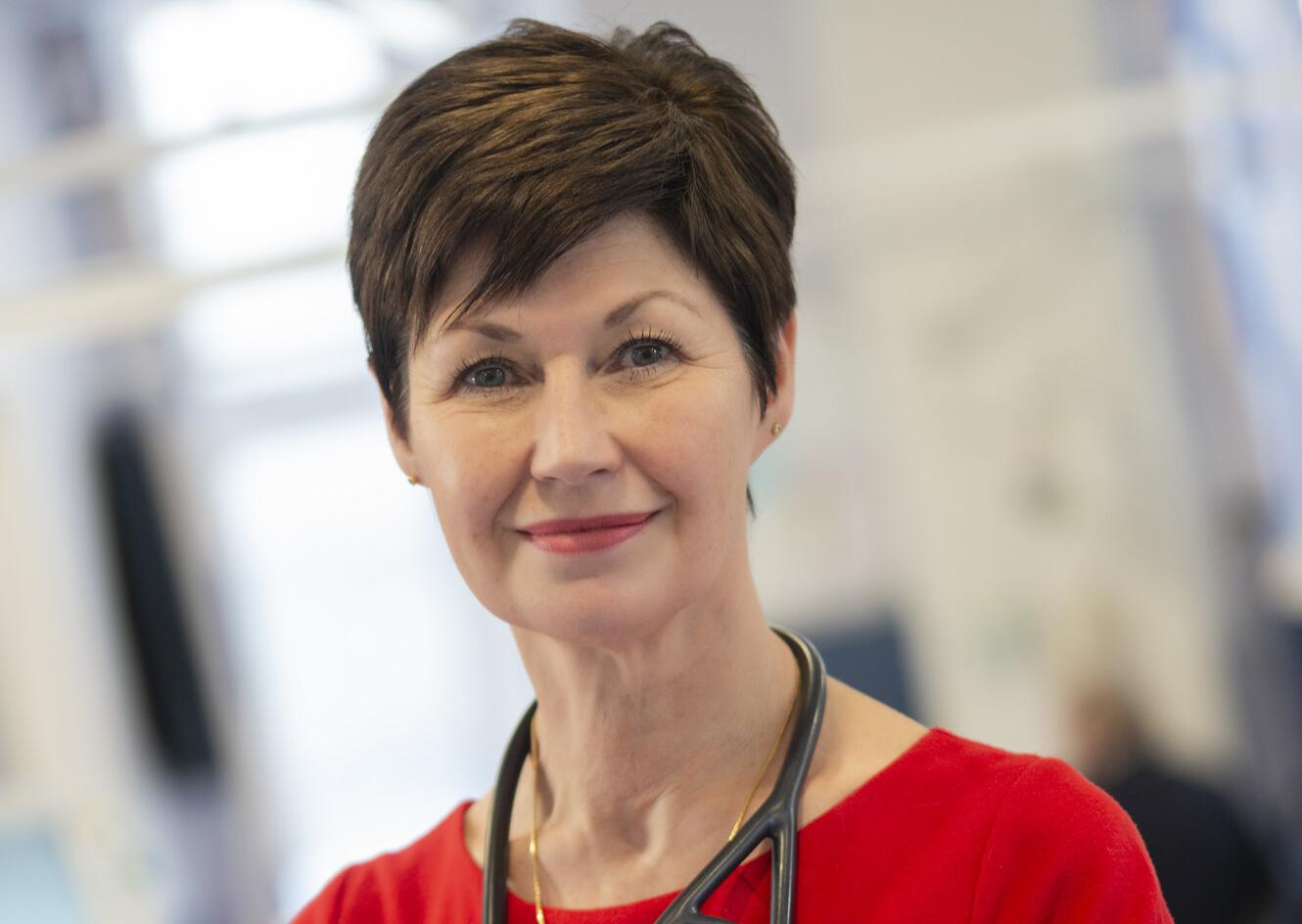
First female President
Professor Jackie Taylor MBE was elected as the first female President of the College in its 418-year history in December 2017. She took up post in December 2018 and led the College through the Covid-19 pandemic.
2024
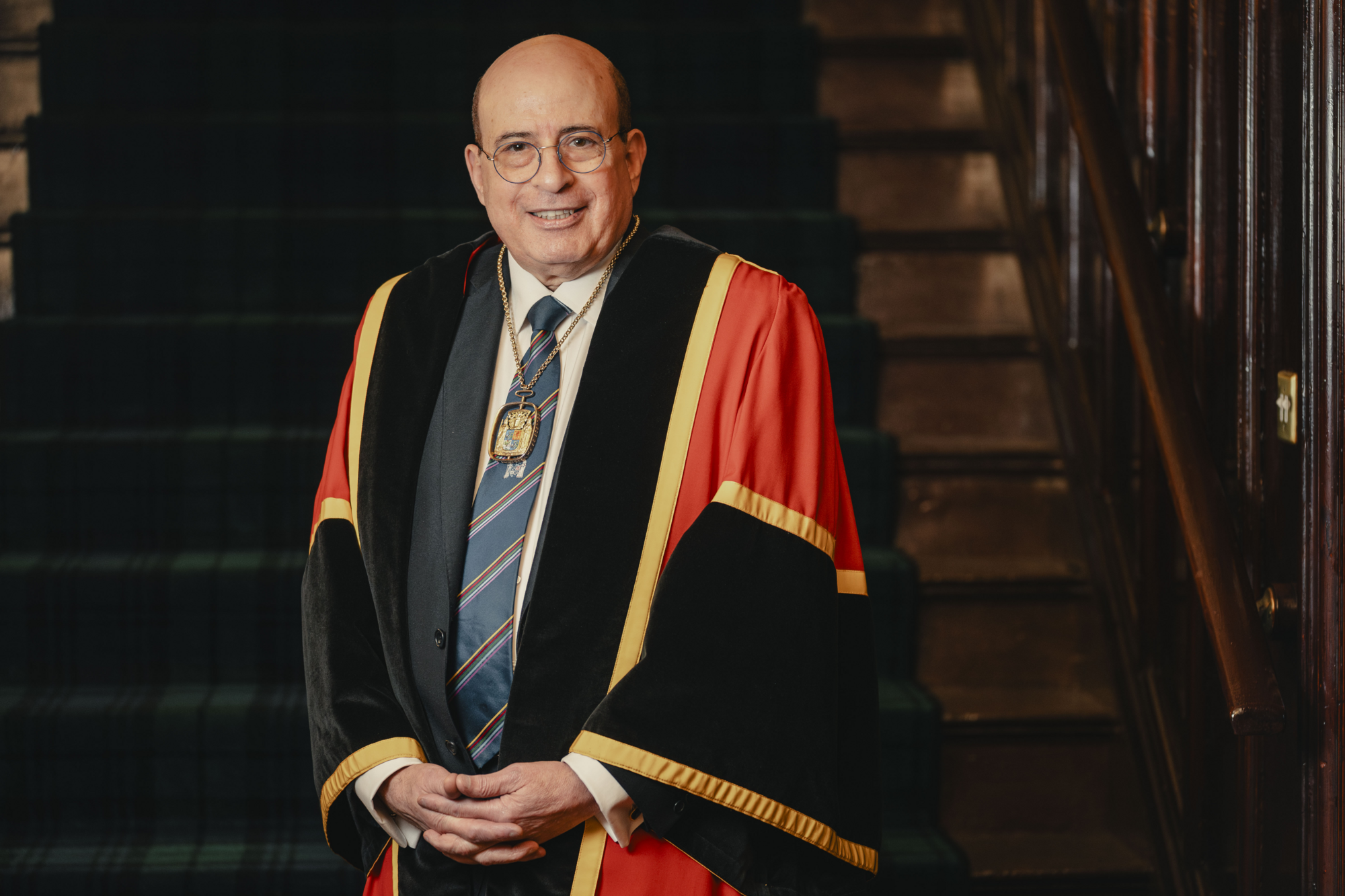
First international President
Professor Hany Eteiba became the first international medical graduate elected as President in the College’s history.
2024
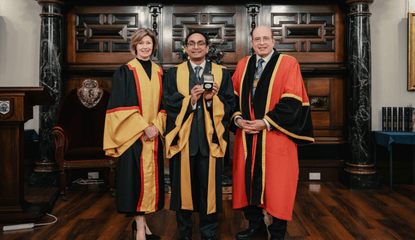
425 years of innovation
The College marked its 425th year with anniversary Leadership Lectures, the establishment of the Taylor Medal (pictured), named after our first female President, and an exhibition dedicated to Sir William Macewen – ‘the Father of Neurosurgery’.
Our past Fellows and Members
Responsible for some of the world’s greatest medical advancements, it’s our Fellows and Members' innovative spirit that truly is our life blood. Here are just a few examples of historic members of our community.
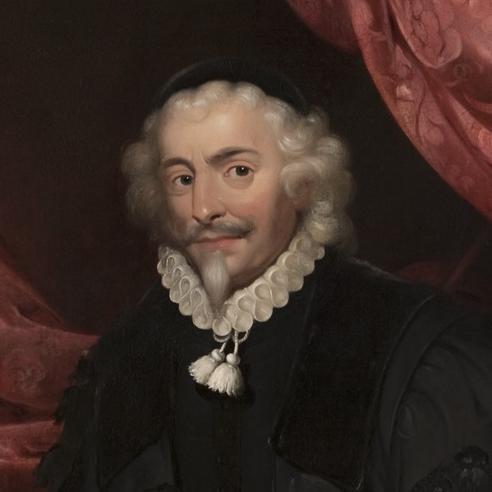
Peter Lowe (c. 1550–1610), Founder of the College
In the 16th and 17th centuries, there were no formally recognised medical schools in Scotland, so Maister Lowe travelled to Paris, France, in search of professional development. There he not only served as surgeon to Spanish regiments but was Surgeon in Ordinary to the French King Henry IV.
Prior to his return to Glasgow in around 1598, he published his book, ‘The Whole Course of Chirurgerie’ (1597) which is believed to be the first complete guide to surgery written in English. This highly influential work – an innovation at the time – is credited with changing how many Scottish practitioners performed surgery.
Maister Lowe died on 15 August 1610 and is buried in the graveyard at Glasgow Cathedral. Every year, representatives from the College lay a wreath on his grave on Founder’s Day.
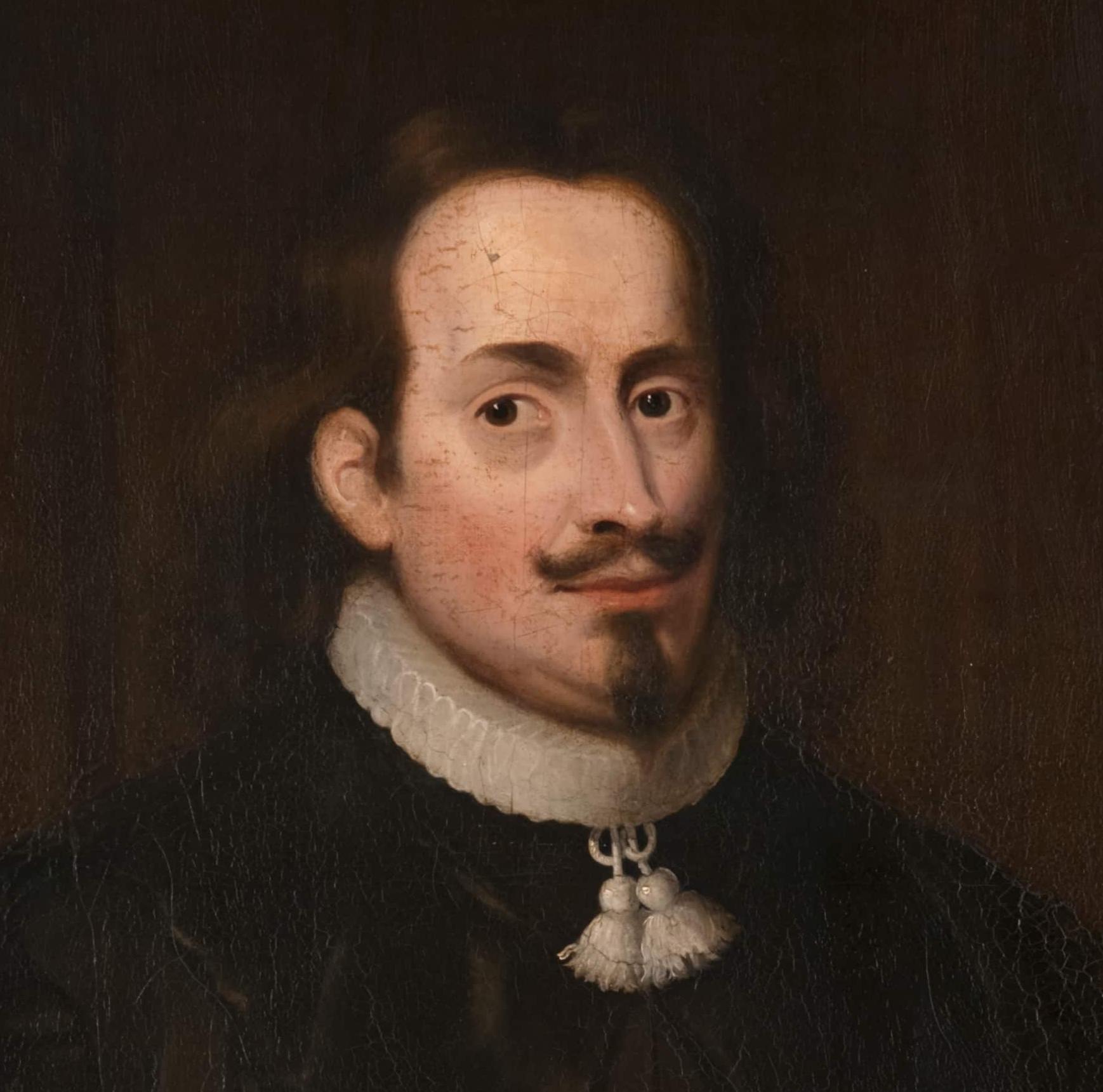
Robert Hamilton (c. 1565–1629), Founder of the College
The physician co-founder of the College, very little is actually known about him.
It is believed that he studied medicine in the Low Countries, returning to Scotland in 1594. For most of the first 20 years of the College's existence he was its most senior officer bearer, known as Visitor.
Physicians looking to be licensed to practice in the West of Scotland had to satisfy Robert Hamilton that they had the appropriate professional ability.
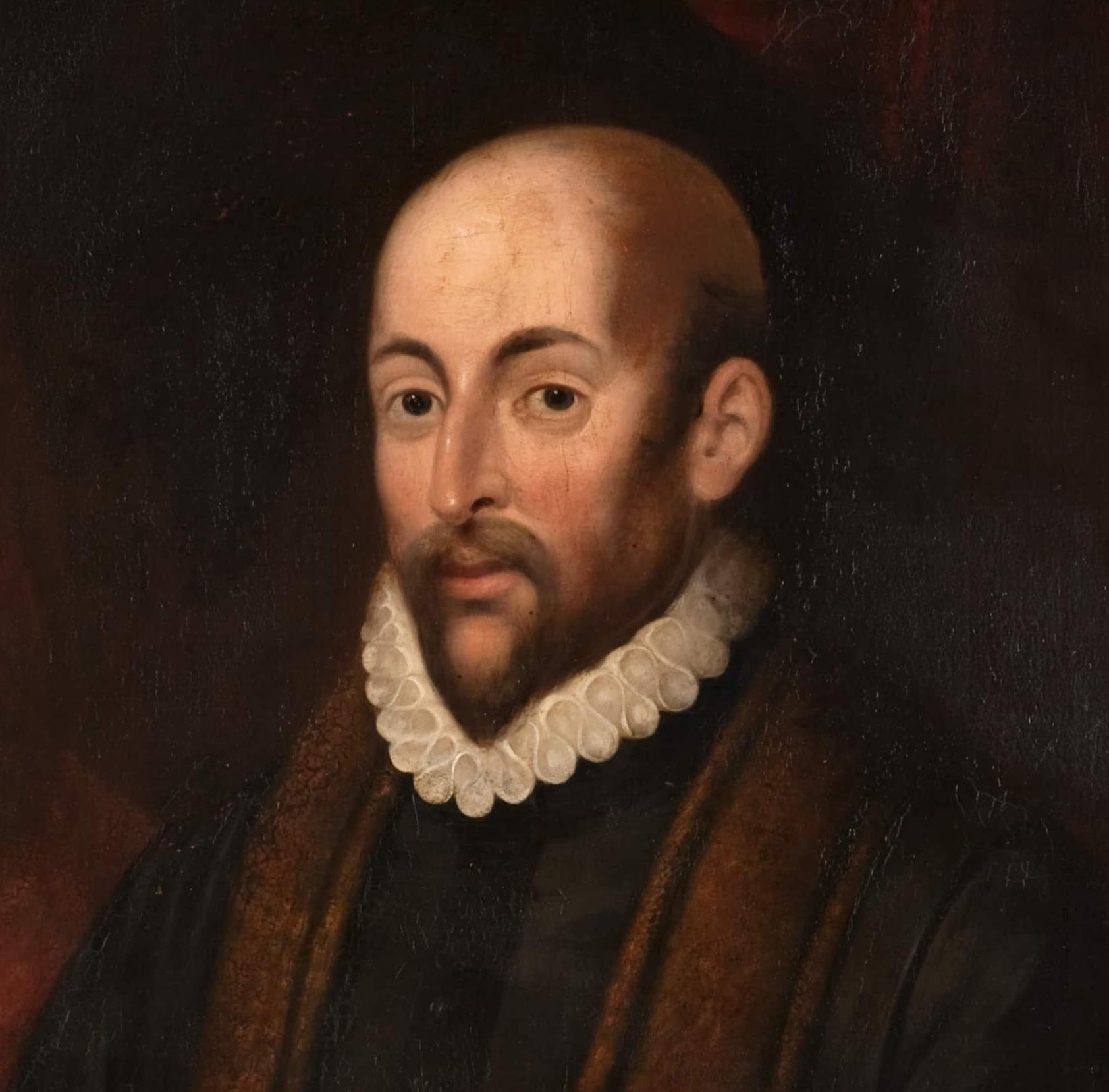
William Spang (c. 1545–1610), Founder of the College
A highly respected apothecary in Glasgow, he was named in the College's Royal Charter as the "Inspector of Drugs".
He became Visitor (the highest office in College before the role of President was established) in 1606. Many of the College's early members were apothecaries or surgeon-apothecaries, licensed in the preparation of drugs and sometimes in the practice of certain surgical procedures.
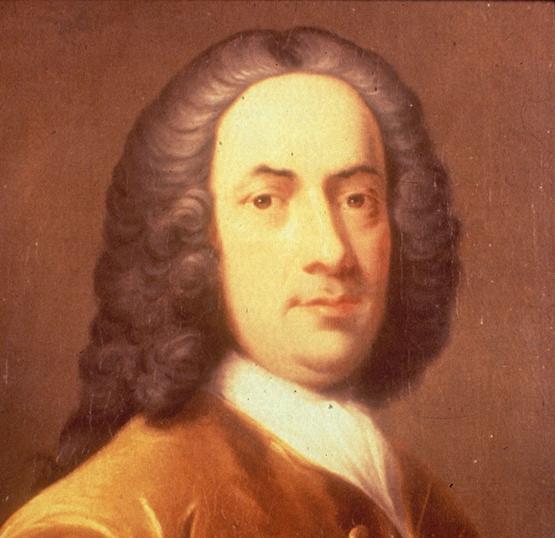
William Smellie (1697–1763), Member (1733)
Famously known as the ‘man-midwife’, Smellie was one of the 18th century’s leading experts on obstetrics.
He was among the first to base midwifery in science and invented several tools to assist childbirth, including a pair of iron forceps. His book 'Treatise on the Theory and Practice of Midwifery' (first published in 1752) was hailed as a milestone in describing the mechanism of parturition. This was followed by his 1754 book that contained 39 engravings by Dutch artist Jan van Rymsdyk. His belief was that this book would help young practitioners understand obstetrics without unnecessary details.
Perhaps one of his greatest innovations was the Mauriceau–Smellie–Veit manoeuvre, a procedure that helped deliver babies in breech cases.
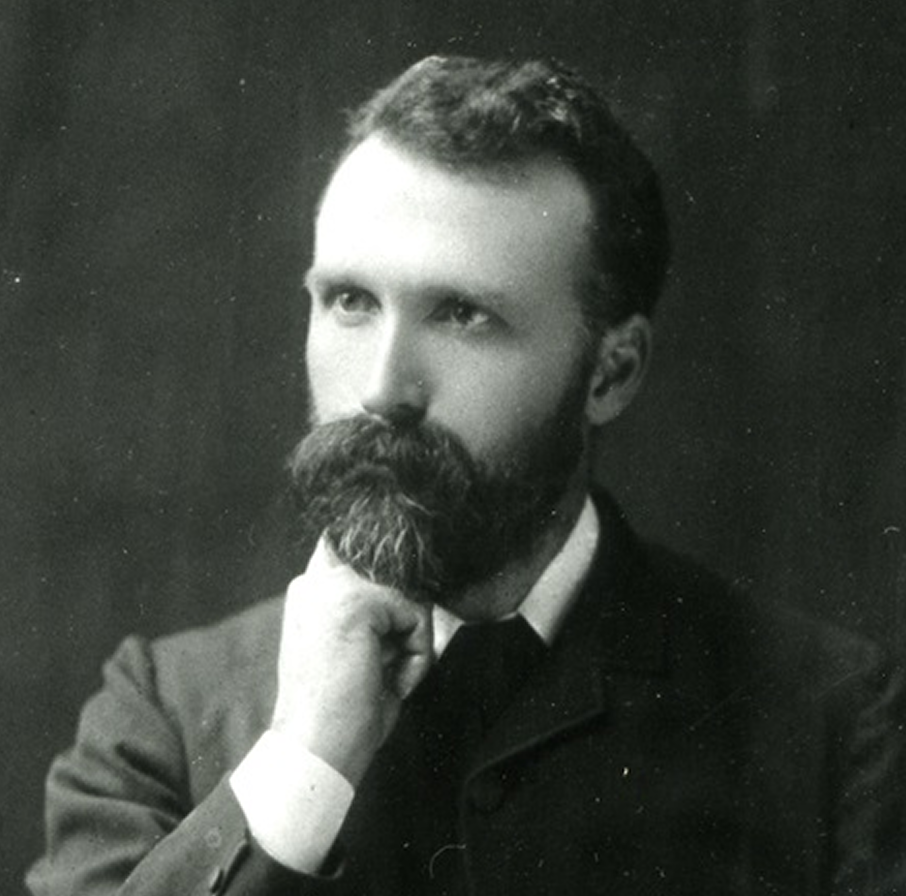
Sir William Macewen (1848–1924), Fellow (1874), Honorary Fellow (1913)
Known as the Father of Neurosurgery, Sir William was the first person to successfully remove a brain tumour.
A pioneer in brain and bone surgery, he was an early leading voice in the use of aseptic surgery. He also made important advancements in anaesthesia, hernia repair, prosthetics and surgery of the lung and ear.
He was a founder of the Princess Louise Scottish Hospital for Limbless Sailors and Soldiers (now known as Erskine Veterans Charity) and played a key role in the professionalisation of nursing alongside Matron Rebecca Strong.
You can find out more about Macewen by visiting our exhibition at the College until summer 2026.
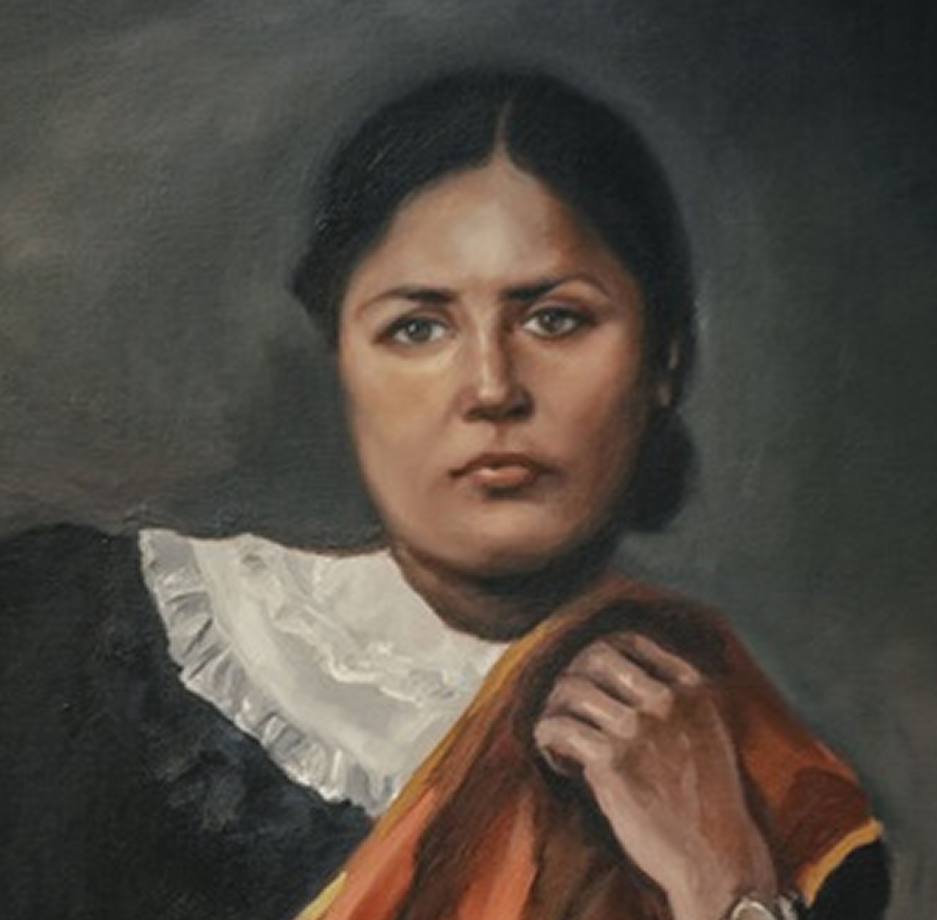
Jamini Sen (1871–1933), Fellow (1912)
The College's first female Fellow, Sen obtained her medical degree in 1897 at Calcutta Medical College and joined us as a Fellow in 1912.
She practiced in Nepal between 1899 and 1909, serving as court surgeon to the Nepalese Royal Family. In 1911 she was awarded a scholarship with the Lady Dufferin Foundation. This allowed her to travel widely, where she expanded her skills as surgeon and eventually obtained a further medical license in Dublin.
Women were first permitted to sit the fellowship examinations only in 1911, and Sen was not allowed to hold office in the College, meaning her privileges as a Fellow were more limited than those of her male counterparts.
We recently commissioned a portrait of Jamini Sen, which is available to view in College Hall.
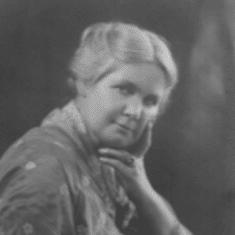
Elizabeth Adelaide Baker (1871–1928)
Dr Baker was the first woman to apply for fellowship at the College, submitting her application in 1897.
Although she was licensed to practice medicine by the College, it was decided that women were “not eligible among the brethren” of Fellows. Although she was not awarded fellowship, her attempts represented a bold push for gender equality in medicine.
Dr Baker practiced medicine in many locations, including Greenhill House in Orkney and Lady Gomm Memorial Mission House and Accident Hospital in Rotherhithe.
Join us
Be part of a global community of Fellows and Members committed to advancing medical standards and patient care.
Explore membership
Heritage
Founded in 1599 by Royal Charter, the College has been advancing medical standards for over four centuries.
Explore our historic collections tracing the evolution of medicine, surgery and Glasgow itself – from the 15th century to the present day.